

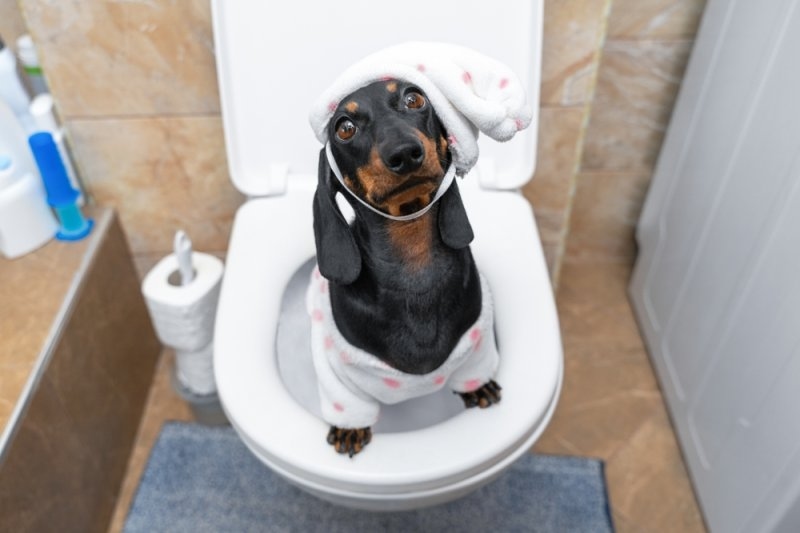
Bringing a new dog home quickly turns into a massive cleanup job. Tiny bladders physically cannot hold liquids for long. Ruined carpets and constant frustration usually follow right behind the initial excitement. Mastering potty training a puppy completely stops the indoor destruction fast. You do not need a professional dog trainer to fix the issue. You just need extreme consistency and a hard daily routine. Skipping the schedule guarantees daily accidents on the living room rug. This guide lays out the exact steps required to teach your dog where the bathroom actually lives.
Must Read: Best Indoor Pet Exercise Ideas to Keep It Healthy and Happy
Young dogs physically lack the muscle development needed to hold their urine. This training physically conditions those internal muscles over several months. You slowly stretch out the time between bathroom breaks. This controlled expansion forces the bladder to grow stronger and hold heavy liquid volume without failing unexpectedly indoors.
Dogs naturally refuse to soil their primary sleeping quarters. Training simply expands that clean zone to include the entire house. You teach the animal that the living room acts as their personal den. Once they view the indoor carpet as their actual bed, they actively demand to go outside.
Top Pick: Positive Reinforcement Dog Training and Why It Works So Effectively?
Setting up a strict bathroom routine demands precise timing and heavy rewards. Use these exact steps to execute a flawless potty training for puppy protocol without driving yourself crazy.
Pick one specific patch of grass outside. Walk the dog directly to that exact spot every single time. The lingering scent triggers their brain to go immediately.
Do not play games or yell. Stand completely still and ignore the dog for five solid minutes. Boring environments force them to focus strictly on emptying their bladder.
The second they finish, hand over a high-value meat treat immediately. Hype the dog up verbally. This heavy reward wires their brain to repeat the action outside tomorrow.
Say a specific short phrase right as they begin to squat. Repetition pairs the physical action with the verbal cue. You eventually trigger the bathroom trip on command.
Random walks guarantee indoor disasters. Locking down a rigid puppy potty training schedule predicts exactly when the bladder fills up and prevents accidents.
Take them out the exact second they wake up. A resting bladder fills overnight and will explode if you delay the morning walk by even five minutes.
Food hitting the stomach triggers the digestive tract instantly. Walk the dog exactly fifteen minutes after every single meal to catch the inevitable bowel movement.
Physical running stimulates the bowels and kidneys. Halt the aggressive tug-of-war games abruptly and walk them outside to prevent sudden squatting on the carpet.
Young dogs cannot survive eight hours overnight. Set a strict alarm for two in the morning. Carry the sleepy dog outside, let them pee quietly, and put them straight back into the crate.
Every household operates differently based on architecture and daily work hours. Implementing the best ways to potty train a puppy depends entirely on your specific living situation.
Tie a six-foot leash directly to your belt loop. The dog follows you everywhere. This forced physical proximity stops them from sneaking off to pee behind the couch.
Hang heavy metal bells directly on the front doorknob. Tap the dog's paw against the bells before every single walk. They eventually learn to smack the door when their bladder gets full.
High-rise apartment dwellers rely on thick absorbent pads initially. You place the pad near the door. You slowly move that pad outside over several weeks to transition them to actual grass.
Human error completely ruins the entire behavioral process. Avoid these specific traps while house training a puppy to keep the progress moving forward.
Shoving a dog's face into a puddle teaches absolute fear. They just learn to hide behind the furniture the next time they need to go.
Yelling at a dog for a puddle you found an hour later does absolutely nothing. Dogs possess zero short-term memory for past actions. They just think you act crazy randomly.
Leaving a full bowl of kibble on the floor destroys the bathroom schedule. You must pull the food bowl up after twenty minutes to control exactly when they digest.
Standard floor cleaners smell exactly like urine to a dog. Mopping a mistake with ammonia guarantees they will pee on that same spot tomorrow.
Building a clean house demands total owner commitment. You cannot expect the dog to guess the household rules. Mastering potty training a puppy requires you to operate like a strict clock. Hit the feeding times perfectly every single day. Utilize the metal crate to prevent stealthy mistakes behind the sofa. Praise the dog aggressively the second they hit the outdoor grass. The heavy physical exhaustion of the first few weeks pays off permanently. Put in the hard work now, block out the distractions, and build a reliable routine that keeps your floors completely clean for the next decade.
You must buy an enzymatic cleaner. Standard bleach or dish soap just masks the smell temporarily. Enzymes physically eat the uric acid crystals hidden deep inside the carpet fibers to destroy the scent marker.
Sudden regressions usually point to a medical issue. A urinary tract infection forces the dog to pee constantly without warning. Always take the dog to a local vet to rule out an infection before assuming they forgot their training.
You must shovel a specific path to a cleared patch of grass. Put the dog on a short leash and hold a large umbrella over them to block the heavy wind. Give them a massive treat immediately to associate bad weather with high rewards.
Marking involves a dog lifting their back leg to spray a tiny amount of urine directly onto vertical surfaces like table legs. A genuine accident results in a massive, completely emptied puddle directly on the flat floor.
Yes. Adult rescues require the same rigid crate routine and feeding schedule as a young dog. However, older dogs possess fully developed bladders and usually master the rules much faster than infants.
This content was created by AI