

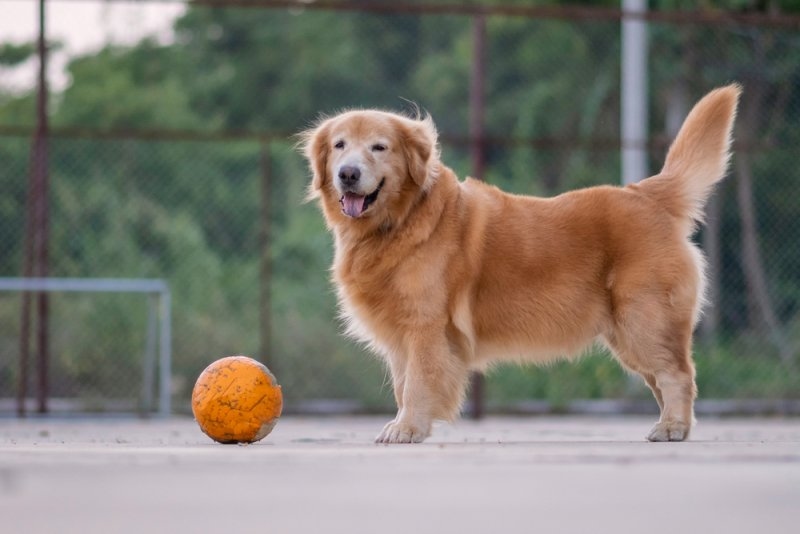
Keeping your pets active and engaged doesn’t just involve outdoor romps; indoor exercises for pets help maintain a healthy body as well as a happy spirit. By limiting idle time with fun activities designed to move the body, muscles, and mind, you can prevent boredom and associated destructive habits in your pets.
With this guide, you'll learn how you can combine physical activity and pet enrichment ideas with easy training techniques to have agile, confident, happy, and healthy indoor pets!
pet enrichment ideas, healthy indoor pets, pet fitness tips, mental stimulation for pets
Pets’ bodies thrive with physical activity, whether you let them have the run of your house and backyard or they stick to the living room more often than not. Without it, pets may gain unhealthy weight, grow restless, act out, or even suffer from related joint issues or decreased mobility. Moving their bodies with indoor exercises for pets helps their muscles stay strong, joints stay supple, and they burn excess calories.
Beyond physical health benefits, physical activity contributes directly to your pet’s positive behavior and good mood. A tired dog or cat is less likely to dig under doors or chew the furniture; active pets are also often less prone to anxiety or territorial barks and hisses. Couple good indoor exercise with smart enrichment ideas for pets, and you have happy, confident pets that can navigate any house, big or small, without a problem!
You can easily integrate a fun workout into your pet's daily routine without purchasing expensive training equipment. Many everyday household items will do!
This can be a surprisingly fun way to let a puppy work their legs! Open up an empty hallway or the living room for a few quick rounds of play with a soft toy. The improved coordination is an added perk.
This takes creativity! Pile up pillows, stack books, place an empty box in your pet’s path, and turn an unused space into a great obstacle course. Your pet will love the new challenge as they get through their obstacle course by crawling through, jumping over, or weaving between these items.
Most dogs (and many cats!) are eager to get involved. Toss their favorite toy somewhere and have your pet retrieve it from where they know they will want the challenge for the return.
This works best for some breeds and will require a durable, soft toy. Use interactive cat and dog toys that move and simulate stalking for quick and exciting rounds of fun to really let those inner hunters out in indoor pet exercises.
Beyond basic physical exertion, a bit of cognitive work will go far to keep indoor pets happy and content! Boredom is a leading cause of destructive or anxious behaviors in indoor pets, and can make even the healthiest pet lethargic.
Here are a few great ideas for the best pet enrichment:
Work in a few short, easy training sessions focused on a new command or tricks each day; it boosts cognitive function while building that owner-dog bond and is great for training as a sport for indoor pets.
It’s important to realize that indoor exercise needs can vary based on your pet’s age and breed.
Remember, as an owner, how important it is that your older dog or cat still needs movement in ways that do not risk injury.
Overall, simply monitor your dog or cat and gauge when a break is needed. Providing water and letting them rest will mean more enjoyment during their play.
An excellent part of maintaining a well-rounded diet of health activities to incorporate into an indoor setting to assist a pet comes from the mind-enabling activities we choose, just as much as the body-enabling physical ones do.
In short bursts every few days, a game of hide-and-seek while playing tug-of-war with indoor-appropriate balls or rope toys gives them some opportunity to run around and then enjoy some strategic tug-of-war fun when they come back to their owner for a reward.
Even simple games involving puzzle games and toys will tap into your pet's problem-solving abilities, creating confidence and intelligence all wrapped into indoor pet exercise fun!
Routine can do much to keep your pet’s expectations focused and their days exciting! An easy way to develop that’ll fit you into your day and not tire yourself out too badly is simply rotating activities on a day-by-day basis:
Learn Further: Pet Wellness Complete Guide for Healthy, Happy Pets Care
When incorporating these great indoor pet exercises for the well-being of your companion, try to steer clear of any that could be doing more harm than good. Many owners may not realize that their exercises might be doing their pets more harm than good!
To maximize their mental and physical health benefits, make sure to always observe your pet and ensure it's enjoying the play by varying toys, not feeding them excessive treats (especially during training), and providing ample rest between activities.
Indoor pet exercise for happy, healthy, and engaged companions starts with routine and consistency. Incorporate fun, creative, and mentally stimulating activities like toy rotation, puzzle feeders, training sessions, and obstacle courses to ensure your indoor pets remain physically fit and emotionally balanced all year.
Your average pet needs around 20 to 45 minutes of daily exercise, which varies depending on your pet’s age, breed, and overall health. Breaking down indoor pet exercise into a few shorter segments may help keep your pet from getting bored and overworked!
No. While they definitely fulfill the stimulating component of pet exercise, they should still be in addition to. Mixing puzzles and physical activities is the greatest balance to meet the fitness needs of indoor pets.
Hide and seek, scent games, fetch with plush or stuffed animal toys, tug toy battles, and informal training are all good options for any home, regardless of the space constraints!
Biting furniture, destroying something, repetitive barking, walking, sleeping too much, and constantly asking for attention can all lead your pet to become bored in a closed space. Introducing more indoor pet enrichment activities is the solution to their bad habits.
No, with the right combinations of indoor pet exercise with a solid pet fitness plan and stimulating pet brain games for your pet, you can ensure your pet stays healthy, active, and entertained between walks and park visits with their pets.
This content was created by AI