

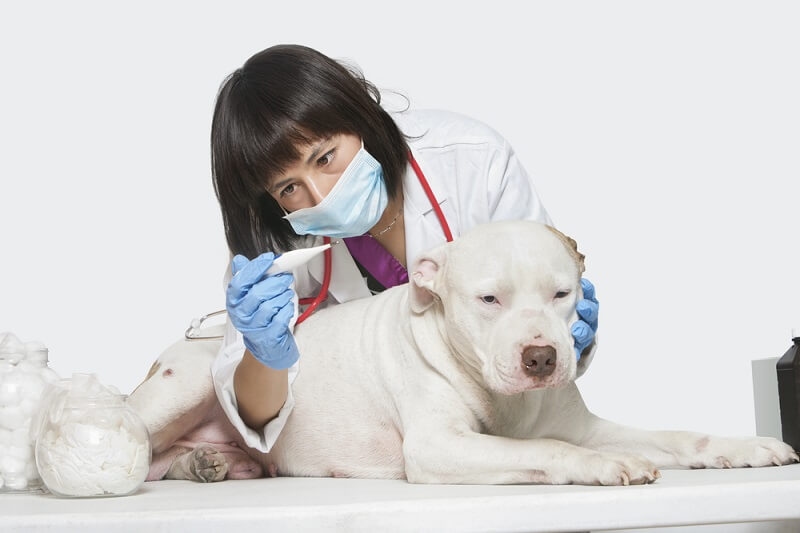
Every pet owner wants their furry friends to stay happy and healthy for a long time. Here's the thing: Animals are experts at hiding when they feel bad. Noticing the signs of illness in pets early can make a massive difference in their recovery. By watching for early pet health symptoms like low energy or hidden sick-dog warning signs, you can catch problems before they get big. Consistent pet health monitoring helps you decide when to visit veterinary professionals to keep your best friends safe.
Pets cannot tell us with words that their tummy hurts or their legs feel stiff. Most of the time, they act differently than they usually do. Owners might notice their dog isn't bringing the ball back as fast or their cat is sleeping in a new, strange spot. These tiny shifts are often the very first clues that something is wrong.
Let’s break it down. An animal’s instinct is to look strong so predators don't pick on it. Even though they live in a safe house now, that old habit stays with them. If a pet looks even a little bit sick, they might actually be feeling quite poorly. Paying close attention to your pet's daily habits is the best way to be a hero to your pet.
Related Resource: Common Pet Health Problems & the Early Warning Signs
Dogs are usually full of energy, so when they slow down, it stands out. One of the most common things people see is a change in how much water the dog drinks. If the bowl is always empty or if they won't touch it at all, that's a red flag.
What this really means is that any behavior that lasts more than a day deserves a closer look. Sometimes a dog just has a lazy afternoon, but if they stay sleepy for two days, it is time to call the doctor.
Cats are even better at hiding their pain than dogs are. A cat who is hurting will often go under the bed or stay in a closet for hours. This isn't just them being moody; it's one of the primary cat illness symptoms that owners often miss.
Another thing to watch is the litter box. If a cat starts going outside the box, it isn't being "bad." They might be trying to tell you that it hurts to go. Also, look at their fur. A healthy cat cleans themselves all the time. If their coat looks greasy or messy, they don't feel well enough to groom.
You don't need fancy tools to keep an eye on your pet. Pet health monitoring primarily involves using your eyes and hands. When you pet your dog or cat, feel for new lumps or bumps under their skin. Check their ears to see if they are red or if they smell funny.
Keep a small notebook near the pet food. If you notice they didn't eat all their dinner, jot it down. This helps you see patterns over a week. If you see early pet health symptoms like coughing or sneezing, having a record helps the vet find the answer much faster. Knowing what is normal for your specific pet is your greatest tool.
Learn More: What Pet Supplements Your Dog or Cat Needs (and What Not)?
Some things are small, but others are emergencies. If a pet's gums look white or blue instead of pink, they need help right away. Another scary sign is if they try to go to the bathroom, but nothing comes out. This can be very dangerous very fast.
What this really means is that you should trust your gut feeling. If you look at your pet and think, "Something just isn't right," you are usually correct. It is always better to ask a professional than to wait and see if it gets better on its own.
Here are the key physical indicators of illness in cats broken down into points:
Choosing when to visit vet offices can be stressful because of the cost and the trip. However, certain sick dog warning signs, like a hard belly or seizures, mean you should go immediately. If the symptom is mild, such as a single sneeze, you might wait a few hours to see if it resolves.
Here's a good rule of thumb: if the pet stops eating, stops drinking, or acts very weak, don't wait. Most vets would rather see a pet for a small "false alarm" than see them when it's too late to help. Taking them in early often saves money because the medicine is simpler.
Staying proactive is the best way to ensure your animals live a long time. By learning the signs of illness in pets, you become their protector. Whether it is noticing cat illness symptoms or tracking early pet health symptoms in an older dog, your observation is the first line of defense.
Remember to keep your vet's phone number on the fridge. If you see sick dog warning signs, you won't have to hunt for the information. Good pet health monitoring leads to fast action, and fast action leads to more happy years together. Click the link to find a local clinic near you for a wellness check.
Explore This Topic: Pet Health Care Complete Guide for Every Loving Pet Owner
Watching for changes helps keep pets safe. If you see odd behavior, check for signs of illness in pets right away. Using pet health monitoring every day ensures you catch early pet health symptoms before they grow. Your quick choices are what keep their tails wagging and their hearts healthy for years.
You can feel their ears and paws. If they feel much hotter than usual, or if their nose is very dry and warm for a long time, they might have a fever. Also, look for shivering or very red eyes, which are common signs.
Older pets do slow down, but a significant change in sleep can signal pain, like arthritis. If they stop getting up for food or favorite toys, it is not just "old age." It is best to have a vet check their joints for comfort.
Do not wait for symptoms to show up. Call an animal poison control center or your vet immediately. Tell them exactly what the pet ate and how much. Early treatment is the only way to stop the poison from hurting their internal organs.
Increased thirst, called polydipsia, can be a sign of conditions such as diabetes or kidney disease. If you find yourself filling the water bowl twice as often as last month, it is a clear signal that their body is trying to flush something out.
This content was created by AI