

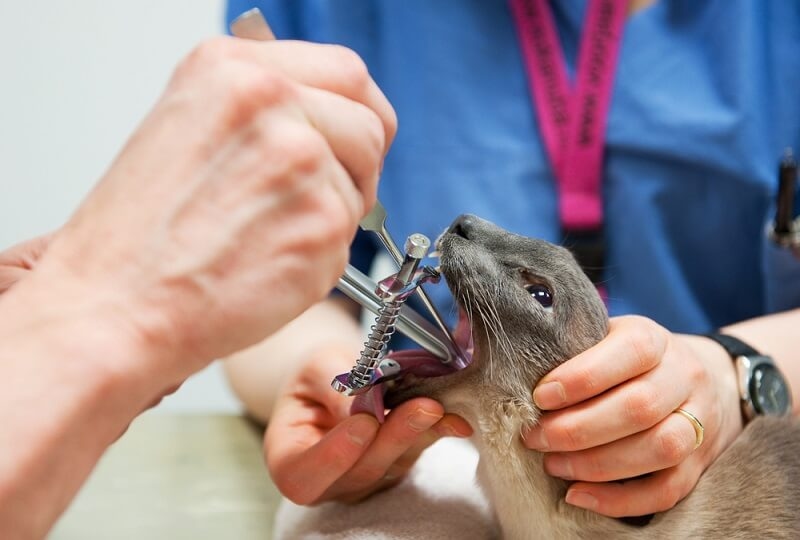
When a furry friend starts coughing or struggling to breathe, it can be terrifying for the whole family. Bronchoscopy for pets is a way for doctors to look inside the lungs without making large incisions. This tool is often used as a part of veterinary bronchoscopy to see what is wrong. If a dog has breathing issues, a camera can help find the answer. Most of the time, this pet's lung exam is the best way to help a sick animal feel better fast. Let's break it down so everyone understands how it works.
A bronchoscope is like a long, thin tube with a tiny light on the end. The vet puts this tube down the throat while the pet is taking a very deep nap. This is a form of endoscopy for dogs that focuses on the windpipe. Because the pet is asleep, they do not feel any pain or scary feelings. What this really means is that the doctor gets an obvious picture of the pipes that carry air.
Doctors use this for many pet respiratory problems. Sometimes a dog might swallow a blade of grass or a small toy. Other times, the lungs might have too much yucky fluid. Here’s the thing: the camera lets the vet see precisely where the trouble is hiding. It is much better than just guessing from the outside.
Here’s Something Helpful: Pet Vaccinations Guide with a Schedule for Every Owner
Vets are like detectives for animals. They use veterinary bronchoscopy when an X-ray does not show enough detail. An X-ray is like a flat picture, but a camera is like a movie. This helps when dealing with long-standing canine breathing issues.
If a pup has a cough that won't go away, bronchoscopy for dogs is often the next step. It gives the family peace of mind to know what is actually happening. No one likes to see their buddy struggling to catch a breath.
How do you know if your animal needs help? There are a few things to watch for at home. Pet respiratory problems can look different in every breed. Some dogs might make a honking sound like a goose. Others seem very tired after a short walk.
When these things happen, canine breathing issues need a professional look. Bringing them to the clinic for a pet's lung examination can catch a small problem before it gets too big. Early help is usually the cheapest and easiest help.
Deep Dive Into the Topic: Pet Wellness Complete Guide for Healthy, Happy Pets Care
When a dog goes in for a bronchoscopy, they are checked over very carefully first. The vet makes sure their heart is strong enough for the nap medicine. Once they are asleep, the endoscopy for dogs equipment is brought out. The tube goes down the mouth and into the bronchial tubes.
The doctor looks at the screen to see if the lung walls are pink and healthy. If they see redness or swelling, they know there is an infection. During this bronchoscopy session for pets, they might also perform a "lung wash." This is a fancy way of saying they use a little water to collect cells for the lab to look at.
After the pet's lung examination, the pet wakes up in a warm, quiet room. They may be sleepy for the rest of the day. Some pets might have a slight cough for a day after the tube is removed from their throat. This is normal and usually resolves very quickly.
The vet will talk to the owners about what the veterinary bronchoscopy showed. Sometimes the answer is simple, like a round of medicine. Other times, it helps the vet plan a bigger surgery. The goal is always to get the pet back to running and playing in the yard.
Some canine breathing issues are congenital. Small dogs often have "collapsed tracheas," where the windpipe is too soft. Using bronchoscopy in dogs helps the vet assess the smoothness of the airway. They suggest using a harness instead of a collar to keep pressure off the neck.
In older animals, pet respiratory problems may be caused by allergies or indoor smoke. Keeping the air clean helps a lot. If the vet used endoscopy on a dog and found allergies, they might suggest a special inhaler. Yes, dogs can use inhalers just like humans!
While we mainly talk about breathing, endoscopy for dogs is a big category. It can be used for the stomach or even the ears. But for the chest, bronchoscopy for pets is the central star. It is a safe way to get answers without a significant recovery time.
Most pets go home the same day as their veterinary bronchoscopy. There are no stitches to worry about and no big bandages. This makes it a favorite choice for many owners who worry about their pets spending a long time in the hospital. It is a quick path to a happy, healthy pet.
Further Reading: Common Pet Health Problems & the Early Warning Signs
Helping a pet breathe easily is the most crucial goal for any owner. Using bronchoscopy in pets, vets can quickly identify the cause of canine breathing issues. This pet's lung examination is safe and very helpful. Schedule a visit with your local vet to talk about your options.
Age is not a reason to skip a pet's lung examination. Vets assess the heart's health before starting. Many older dogs undergo a bronchoscopy to help them live more comfortably in their senior years.
The price for veterinary bronchoscopy changes depending on where you live. It is usually more than a simple check-up but less than a major surgery. It is a good idea to ask for a cost breakdown before you start.
No, because they are in a deep sleep, they don't know anything is happening. They just wake up feeling a bit goofy from the medicine. It is a very gentle way to handle pet respiratory problems.
The vet can see many things right away on the screen. However, if they sent a sample to the lab during the endoscopy for dogs, it might take a few days to get the final answer.
This content was created by AI